Writing Music Svg Cut File
A Design for the Music Lover’s Embroidery Project
As a designer who frequently works with embroidery files, I often find myself evaluating new SVG cut files with the end user in mind. The Writing Music Svg Cut File is one such file that immediately caught my eye. It’s not just another generic design; it carries a quiet elegance and thematic coherence that makes it ideal for a range of personal and commercial projects.
The First Impression: A Melody in Fabric
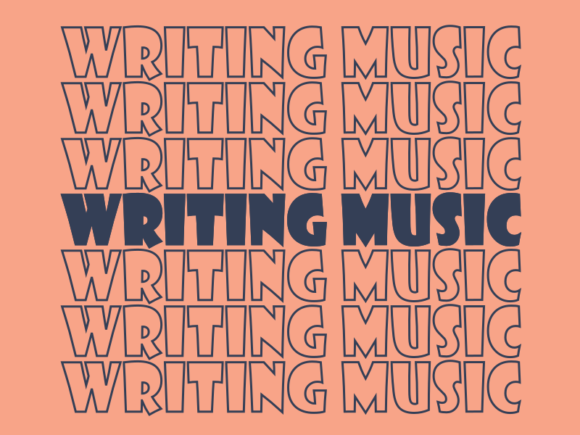
The first thing I noticed about the Writing Music Svg Cut File was its clean, minimalist aesthetic. The design features stylized musical notes arranged in a flowing, almost musical pattern. It feels like something you’d see on a vintage music poster or a handmade notebook. The layout is balanced, with enough negative space to allow the design to breathe. This makes it particularly appealing for use on items like tote bags, sweatshirts, or custom apparel where visual clarity is key.
The theme is clear and consistent—music, writing, and creativity. It’s a design that speaks to the creative soul, making it perfect for personalized gifts, boutique products, or even as a branding element for a small shop or Etsy store.
Real-Life Use Case: Custom Embroidered Tote Bag
To better understand how the Writing Music Svg Cut File would perform in real life, I imagined using it on a custom embroidered tote bag. The design’s simplicity allows it to stand out without overwhelming the rest of the piece. On a white or light-colored tote, the design would pop beautifully, especially when paired with contrasting thread colors like black or deep blue.
I also considered how it might look on darker fabrics. While the design holds up well in black and white mockups, I recommend testing it on actual fabric to ensure the stitch density and thread color contrast are optimal. This is especially important for small hoop sizes or intricate details that might get lost in dark backgrounds.
Performance in Real-World Embroidery Projects
The Writing Music Svg Cut File is versatile enough to work across multiple project types. From custom apparel like t-shirts and sweatshirts to holiday embroidery and personalized gifts, this design has the potential to elevate a wide range of handmade products. Its scalability means it can be used on everything from small patches to large tote bag designs without losing quality.
One thing to keep in mind is the design’s complexity. While the overall layout is simple, the individual elements—like the musical notes and lettering—are detailed enough to require careful stitching. This makes it a great candidate for satin stitch or fill stitch techniques, which can add depth and texture to the final product.
Design Considerations for Different Fabrics and Uses
When working with the Writing Music Svg Cut File, it’s important to consider the fabric type and project requirements. For example, textured fabrics may require additional stabilizer to prevent puckering, while stretchy fabrics might need a different approach to ensure the design stays in place during stitching.
On dark fabric, the design can still work well if the thread color is chosen carefully. However, small details like tiny lettering or intricate corners may become less visible. In such cases, testing on scrap fabric is essential before proceeding with the final project.
If you’re planning to use the design on curved surfaces like caps or hats, make sure the SVG file is optimized for those shapes. Some designs can distort when applied to non-flat surfaces, so it’s worth checking the file’s adaptability beforehand.
Visual Appeal and Customer Trust
The Writing Music Svg Cut File has a strong visual appeal that can enhance the perceived value of your finished product. Whether it’s a personalized gift or a commercial embroidery item, the design adds a touch of artistry that resonates with customers looking for meaningful, handcrafted items.
From a brand consistency standpoint, the design fits well within a creative or artistic brand identity. It’s versatile enough to be used across multiple product lines, from printable mockups to digital embroidery files, ensuring that your brand remains cohesive and recognizable.
Practical Designer Notes for Success
Before using the Writing Music Svg Cut File in any project, I recommend taking a few practical steps:
- Test on scrap fabric first to ensure the design looks as expected on the intended material.
- Check thread color contrast to maximize visibility and visual impact.
- Review stitch density to ensure the design doesn’t become too dense or sparse.
- Confirm hoop size to avoid distortion or stretching of the design.
- Inspect small details like lettering and corners to ensure they’re clear and legible.
- Test in black and white mockups to assess how the design will look on different fabric backgrounds.
- Use proper stabilizer to maintain fabric integrity and stitching accuracy.
- Ensure the design works for both personal and commercial use, especially if you plan to sell finished items.
- Confirm licensing terms before selling digital products or finished embroidery items.
Final Thoughts: A Versatile Asset for the Creative Maker
The Writing Music Svg Cut File is more than just an embroidery design—it’s a tool for creative expression. Whether you’re a hobbyist, a small business owner, or a professional designer, this file offers a blend of style, versatility, and practicality that can elevate your projects.
With the right preparation and attention to detail, the Writing Music Svg Cut File can become a standout asset in your design toolkit. It’s ready to bring music, creativity, and personality to your next handmade product, personalized gift, or commercial embroidery project.